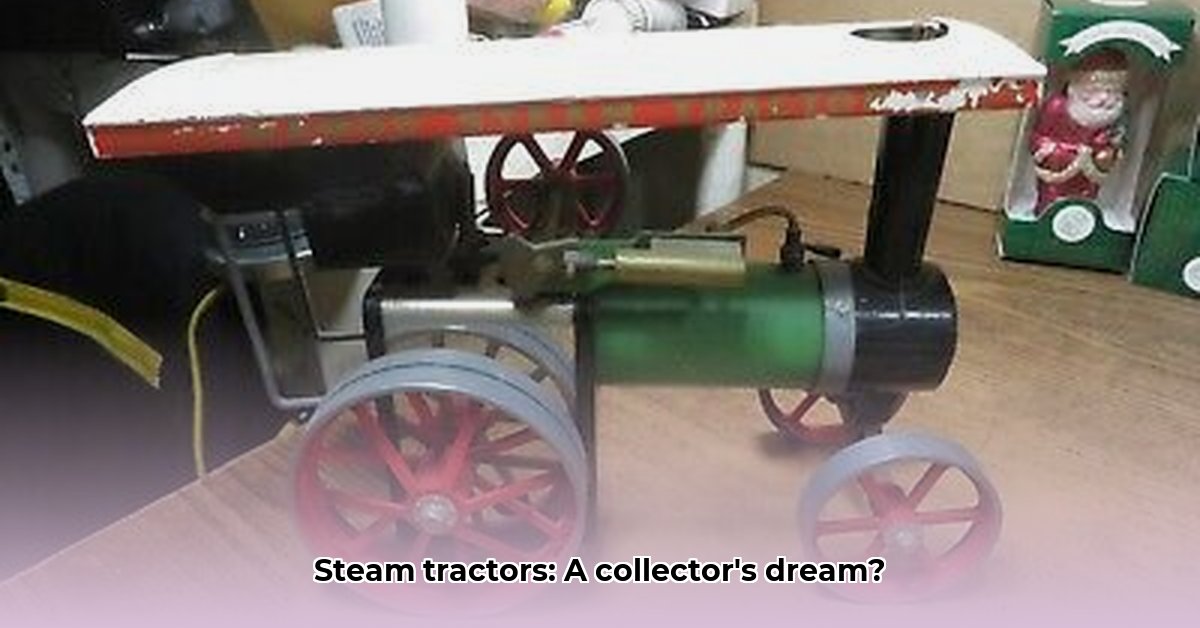
The Resurgence of Miniature Steam: A Collector's Market Analysis
The world of Mamod steam tractors isn't just about tiny engines; it's a vibrant community fueled by passion, history, and the thrill of collecting meticulously engineered miniature masterpieces. This niche market, however, is undergoing a transformation, driven by innovative gas conversions and the enduring appeal of limited-edition models. This article delves into the current market dynamics, exploring the key players, future trends, and the challenges facing this unique sector. For more images of classic tractors, check out this great resource.
Why are Mamod steam tractors so popular? Is it the intricate engineering, the nostalgic charm, or the exclusivity of limited-edition releases? The answer, likely, is a combination of all three. With models like the sought-after "Ol' Stumpy" driving demand, the Mamod market is a testament to the enduring appeal of quality craftsmanship.
Market Overview: A Blend of Tradition and Innovation
The Mamod steam tractor market is characterized by a strong collector base, consistently driving demand for rare and limited-edition models. Online marketplaces like eBay are testament to this active trading community. However, the introduction of gas conversion kits, priced affordably at £95.00, represents a significant shift. This strategic move by Mamod aims to broaden the appeal beyond seasoned collectors, introducing a new generation of enthusiasts to the hobby. But will this gamble pay off? The success will depend on several factors: availability of compatible adapters, the affordability of fuel, and the acceptance of this new fuel source.
What is the biggest challenge facing the Mamod market? The limited availability of certain models points to potential supply chain constraints. Striking a balance between exclusivity and accessibility is crucial for sustainable growth. Too much scarcity could stifle the market; too much availability could dilute the appeal of these prized miniature engines.
Stakeholder Analysis: A Three-Legged Stool
The Mamod market rests on three key stakeholders: Mamod itself, the collectors, and the retailers. Each plays a crucial role in the overall health and future of this unique economic ecosystem.
| Stakeholder | Short-Term Goals | Long-Term Vision |
|---|---|---|
| Mamod Company | Enhance online presence, monitor fuel gel sales, refine gas conversion marketing, assess service needs. | Expand product lines, offer diverse fuel options, forge strategic partnerships, explore international markets, upgrade online presence. |
| Collectors/Enthusiasts | Acquire limited editions, participate in online communities, explore gas conversion options. | Deepen forum involvement, provide product feedback, attend steam engine events. |
| Retailers/Distributors | Stock new products, promote accessories and conversions, partner with Mamod on servicing. | Negotiate bulk discounts, strengthen marketing ties, expand product offerings to include related items. |
Future Outlook: Steam Ahead or Slow Boil?
The short-term outlook is positive, fueled by the collector's market and the potential success of gas conversions. However, long-term success hinges on addressing key challenges.
What are the biggest risks to the Mamod market? Supply chain vulnerabilities, increased competition, and the cost of servicing are all potential hurdles. Proactive mitigation strategies are crucial, including diversifying fuel sources, investing in efficient production, and prioritizing exceptional customer service. Regulatory compliance, encompassing emissions standards and international trade laws, is also paramount for sustainable growth.
Conclusion: Navigating the Challenges for a Steaming Success
The Mamod steam tractor market presents a unique blend of tradition and innovation. Its future success will depend on how effectively Mamod and its stakeholders navigate the challenges, leveraging both the enduring appeal of these miniature engines and the clever introduction of gas conversions. A balanced approach that prioritizes innovation, efficient production, and superior customer service is essential for ensuring a bright future for this intriguing niche market. The potential for sustained growth is there; now it's time to execute the strategy.